

March 13, 2026
What to Do If Your Power Steering Goes Out: A Driver’s Guide
Isn’t it great how effortlessly we can maneuver our cars around corners, thanks to the magic of power steering? But imagine you’re driving, and suddenly, the steering wheel feels as stubborn as a mule. Soon after, you realize your power steering went out. Now what?
Here we will walk you through what to do if your power steering goes out while driving, the signs of power steering failure, common causes, and how Meineke’s experts can help restore your smooth, safe steering.
What is Power Steering
Before diving into what happens when power steering goes out, it’s helpful to understand how this essential system works. What we think of as an innovative turning system actually goes back to the 1920s, when the wheel was linked to a hydraulic system to ease the physical burden of maneuvering a large, heavy automobile. Without this steering system in place, turning a vehicle would be exceedingly difficult—and the larger the vehicle, the harder it is to turn the steering wheel without some sort of hydraulic aid.
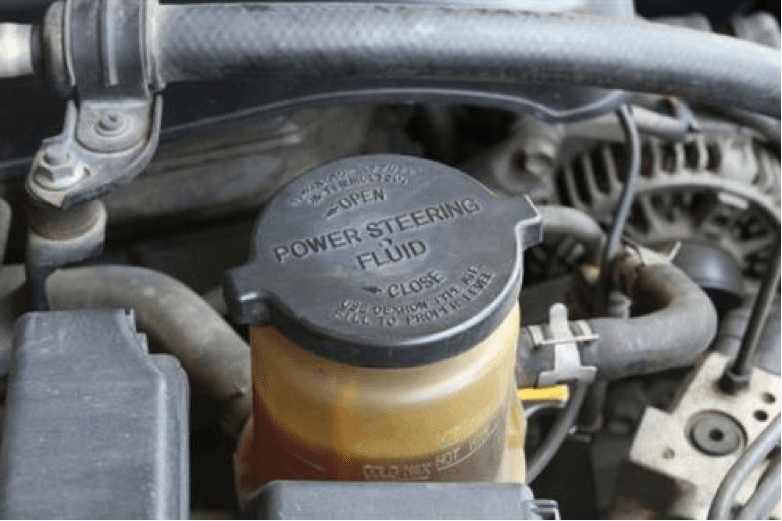
Most vehicles today use hydraulic or electronic power steering systems. A hydraulic pump maintains pressure in the system, using steering fluid to assist movement. In electronic power steering (EPS) systems, sensors and electric motors provide assistance instead. When any of these components malfunction, you’ll experience power steering problems that can make your car difficult to control.
The technology that allows you to steer your car is relatively simple, coming down to a few simple components. A pump maintains pressure in the hydraulic system, using fluid to control the motion of the valves and pistons—in turn, making the wheel turn with less effort. Essentially, these hydraulics take the pressure off of your gears and internal mechanisms. So when you turn the steering wheel, the hydraulics do most of the work for you.
Signs Your Power Steering is Going Out
While no one wants to face such a situation, being informed about the signs of an impending power steering failure can help. Recognizing the signs of power steering failure early can prevent dangerous situations and costly repairs. If you notice any of these issues, it’s time to get your system checked:
- Whining or Squealing Noise: This is a telltale sign of power steering issues, often caused by a worn-out pump or low fluid.
- Vibrations While Steering: If the wheel vibrates or feels rough as you turn, especially at low speeds, it might be a warning of issues with the power steering pump or a belt problem.
- Stiff Wheel: A noticeable increased effort to turn the wheel means the power steering is not working as it should.
- Red Fluid Underneath the Car: If your vehicle has been sitting for a long time and you see a puddle of pink or amber liquid beneath it, that’s probably the steering fluid. This warning sign also means you have a leak that needs fixing.
- Intermittent steering assistance: If your power steering randomly goes out, you may have electrical or pump-related issues.
Knowing what to look out for and what happens when the power steering pump goes out can be the difference between a minor inconvenience and a significant issue. If you're experiencing steering problems, bring your vehicle to an expert Meineke technician who can diagnose and repair power steering issues with the power steering or chassis to ensure safe and smooth handling.
What to Do if Your Power Steering Went Out While Driving?
Experiencing power steering loss on the road can be alarming, but staying calm and following the right steps will help you maintain control.
- Grip the steering wheel firmly. You’ll need both hands and extra effort to steer without assistance.
- Signal and slow down gradually. Ease off the accelerator and avoid sudden braking.
- Steer smoothly to the shoulder. Use controlled, deliberate movements to guide the car to safety.
- Turn on your hazard lights. Alert other drivers that you’re experiencing power steering malfunction.
- Call for professional help. Don’t try to continue driving with no power steering as it can be unsafe and cause further damage.
If your power steering stopped working suddenly and then comes back on, that intermittent failure may point to electrical or fluid pressure issues. Either way, get the system inspected right away.
Is It Safe to Drive With No Power Steering?
Technically, you can still drive with lost power steering, but it’s not recommended. Without assistance, steering becomes much harder, especially at low speeds or during tight turns. Drivers who’ve lost power steering while driving often report sore arms and reduced vehicle control.
While technically you can still drive if you’ve lost power steering, it is not recommended. Without power steering assistance, you may be able to muscle the wheel to turn the vehicle, but it requires significantly more effort and can quickly become unsafe. This is especially true in traffic, during emergency maneuvers, at low speeds, or while making tight turns. Drivers who’ve lost power steering while driving often report sore arms and reduced vehicle control, all of which increase the risk of an accident.
Continuing to drive with no power steering can also strain the steering rack and pump, turning what might have been a minor repair into a much more expensive one. If your power steering went out, prioritize safety: pull over as soon as it’s safe to do so and arrange for professional service or towing to a nearby Meineke location.
What Causes the Power Steering to Go Out?
If a problem exists with this hydraulic system, you’ll know it. Simply turning the steering wheel will take a lot more physical exertion than you’re used to, and driving the car may actually leave you sore. The question is, what causes the power steering to go out? And what can you do about it?
There are many common power steering problems that can lead to system failure. Understanding the causes helps you spot trouble before it becomes dangerous:
- Low or contaminated steering fluid: Leaks or old fluid can prevent proper pressure buildup in hydraulic systems.
- Failing power steering pump: When the pump wears out, it can no longer maintain adequate pressure, leading to stiff steering.
- Broken or slipping drive belt: The belt drives the pump; if it fails, you’ll lose steering assistance.
- Corroded or damaged components: Metal debris and corrosion can contaminate fluid and cause system wear.
- Electrical or sensor issues: In vehicles with electronic power steering problems, sensor failure or a bad motor can trigger power steering malfunction warnings.
The best way to prevent these issues is to take good care of your system, which includes checking the fluid regularly and flushing it every 30,000 to 60,000 miles. Routine inspections can catch leaks and belt wear before they lead to full power steering loss.
Expert Power Steering Repair and Maintenance for Smooth, Safe Driving
Caught wondering what to do if your power steering goes out? Stay ahead of car troubles by entrusting your vehicle to the experts. Our skilled professionals know the ins and outs of power steering and chassis issues and will ensure your car steers smoothly once again. From leaks and pump replacements to electronic power steering problems. Whether your power steering went out while driving or your power steering randomly goes out intermittently, we have the tools and expertise to fix it right the first time.
Don’t wait until your power steering stopped working completely. Visit your nearest Meineke Car Care Center. for professional inspection and repair. We’ll help you regain control and confidence behind the wheel.
Related Posts
10/6/2017
The Evolution of Power Steering Systems
Power steering systems assist drivers in moving the wheels for a smooth, effortless turning feel. Without power steering, maneuvering vehicles around obstacles take a considerable amount of effort, especially at low speeds. Feedback from the power steering system allows drivers to properly gauge the driving surface and respond appropriately to changes in the roadway. […]
3/25/2024
Driving a Car with Bad Alignment: Consequences of Misalignment
Most people are aware of the need for general car maintenance. It’s essential to take care of the basics, like regular oil changes and checking battery terminals for corrosion. But, getting an alignment is just as important. Many think it’s simply a minor irritation when your alignment starts to get off. The truth […]

12/19/2025
Signs Your Car Needs a Tune Up: A Complete Checklist
A car tune up can certainly be an ambiguous request or service, as it can mean different things for different people. Some car owners refer to an auto tune up as merely a regular check-up, to make sure that their car is in good shape and everything is working correctly. Others may refer to an […]