
December 12, 2025
6 Signs You Have a Bad Wheel Bearing
You already know your car cannot function safely without sturdy and properly fit wheels. A wheel is complex, and several components must be integrated for it to function safely—including the wheel bearings.
If you’re hearing strange noises or your steering feels off, you might be dealing with bad wheel bearing symptoms. In this guide, we’ll explain what a wheel bearing is, what causes bad wheel bearings, and how to tell if you have a bad wheel bearing before it leads to a broken wheel bearing or complete failure on the road.
What Is a Wheel Bearing?
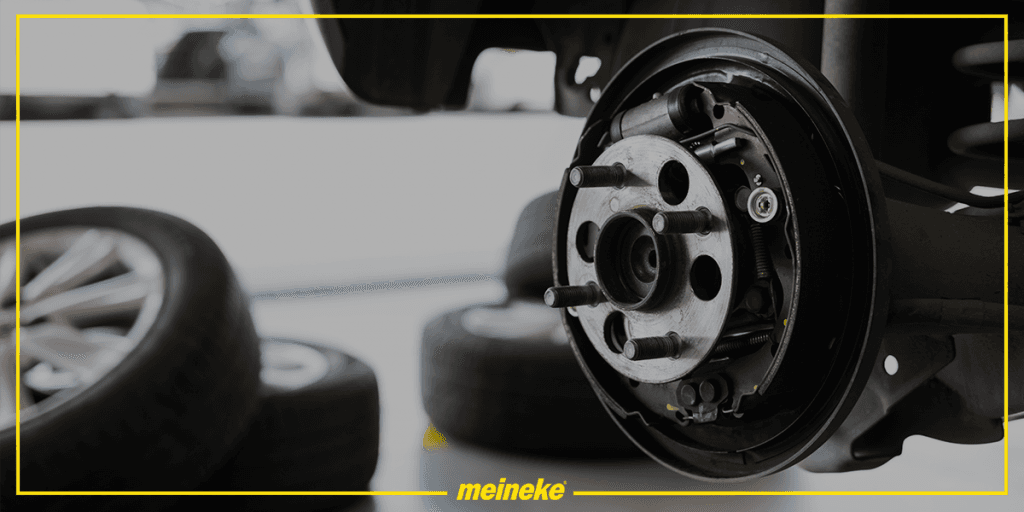
A wheel bearing is a set of steel balls held together in a metal ring called a race. The race is located inside the hub, and each wheel has one. At the center of the wheel is a hollow piece of metal called a hub. The wheel bearings fit tightly inside this hub and ride on a metal axle shaft, helping reduce friction when the wheel spins.
Keep in mind that wheel bearings are not the same as engine bearings; car bearings in the wheels aren’t lubricated continuously. This means they must be sealed tight enough to keep water and road dust out. That means damaged wheel bearings are exposed to constant abuse from the road. They also support the entire vehicle weight while driving, so they endure rough roads and potholes, as well as lateral forces when turning.
How Long Do Wheel Bearings Last?
Wondering how long wheel bearings last? While most estimates suggest the average life of wheel bearings should last between 75,000 and 150,000 miles, the actual lifespan depends on:
- Quality of the bearings
- Weather conditions (e.g., rain, dust, deep water)
- Road conditions (e.g., potholes, speed bumps)
If you drive frequently on uneven terrain or through standing water, you may need wheel bearing replacement sooner. Routine inspections at Meineke can help prevent worn wheel bearing failure before it happens.
What Causes Bad Wheel Bearings?
Besides the factors listed above, there are several factors that can cause bad wheel bearings or lead to wheel bearing failure:
- Faulty Installation: The right way to install wheel bearings is in accordance with manufacturer guidelines. If they’re not properly installed, this increases the chances of an accident.
- Unbalanced Tires: An unbalanced tire will inflict more strain on wheel bearings, accelerating bearing wear, forcing them to work harder than they should.
- Overweight Loads: You can damage the wheel bearings by hauling more than a vehicle’s capacity. Wheel bearings have to support the weight of a load—so if the weight is excessive, the bearings will wear out quickly.
- Poor Road Conditions: Potholes, rough roads, or water intrusion shorten the bearing’s lifespan.
Signs A Wheel Bearing is Going Out
What are the signs of a bad wheel bearing? Knowing the signs of a bad wheel bearing can save you from serious damage or an accident. Below are the top six symptoms of a failing or damaged wheel bearing:
Unusual Noises
What does a bad wheel bearing sound like? If you notice a grinding or grating noise from your wheel or tire, you might have a bad wheel bearing—especially if the noise gets louder as the vehicle accelerates. The most common bad wheel bearing sound is a low growl, hum, or rumble that increases with speed. You might also hear squealing, roaring, or grinding noises.
How to identify a bad wheel bearing noise: Try the left/right test—when turning, the noise often changes pitch as the vehicle’s weight shifts. If the sound gets louder during acceleration, it’s a key sign your wheel bearing is going out.
Loose Steering
Looseness can be difficult to convey, but in this case, it refers to steering your car and noticing it to be less responsive or precise than usual. If your steering feels vague or less responsive, it may not just be alignment, it could be a bad wheel bearing. Excessive play in the bearing causes instability, especially while turning corners. Always schedule an inspection if you notice loose steering or unusual feedback through the wheel.
Uneven Tire Wear
Uneven tire wear often points to suspension or alignment issues, but it can also be caused by worn wheel bearings. When a wheel bearing wears down, the effects will likely extend to your tires. Rotating your tires regularly can prevent wear, but a mechanic should inspect for damaged wheel bearings if the problem persists.can prevent wear, but if you have extremely uneven wear, inspect the wheel bearings.
Brake Issues
Can a bad wheel bearing cause brake problems? Yes. If your bearings are weak, you might notice inefficient braking or brake slips as you drive. When bearings become loose, the rotors push the piston further when you tap on the brakes, making them feel weak.
ABS Light
If the ABS warning light comes on, one possible cause is a failing wheel bearing. The wheel speed sensor, located near the bearing, can misread signals when the bearing becomes loose. Even if another issue triggers the light, a quick inspection will confirm whether wheel bearing repair is needed.
Steering Wheel Vibrations
Besides a loose steering wheel, vibration can also indicate a bad wheel bearing. Feeling vibrations through the steering wheel, especially when turning or at highway speeds, can indicate bearing wear. Over time, a bad wheel bearing will intensify bearing play on your wheels, especially when making turns or driving at high speeds.
How to Identify a Bad Wheel Bearing Noise
Here are common noises that suggest bad wheel bearings:
- Humming: A humming noise while driving can be caused by several issues, but a wheel bearing or CV joint is one of the more likely (and problematic) issues.
- Squealing & Growling: The classic sounds of a bad wheel bearing are cyclic chirping, squealing, and growling noises. You can verify the sound is related to a bad wheel bearing if it changes in proportion to vehicle speed.
- Howling: Howling that solely occurs during deceleration indicates loose pinion-bearing preload. If howling happens under acceleration at different speeds, then it’s probably worn-out gears. However, worn-out bearings also make a howling noise when they don’t support the gears correctly.
If you’re unsure, Meineke technicians can perform a wheel bearing noise test to confirm the issue.
What to Do If Your Wheel Bearing Is Bad
If you suspect a bad wheel bearing, the best advice is to head to your nearest auto shop that offers wheel repair and replacement services. If you’re on the road, slow down steadily and avoid turning rapidly. If you drive long distances on a bad wheel bearing, you’ll eventually lose control of the vehicle, and the wheel will stop suddenly.
How to check wheel bearings:
Lift the vehicle safely using a jack, hold the tire at the 6 and 12 o’clock positions, and try to rock it back and forth. Excessive play often indicates a failing bearing. You can also spin the wheel to listen for grinding.
If your bearing is confirmed bad:
- Drive cautiously and avoid sharp turns.
- Don’t travel long distances.
- Schedule professional wheel bearing replacement immediately.
Regardless of which bearing is the culprit, avoid being on the road for too long.
The amount of miles your vehicle can endure will depend on how extensive the damage is and the conditions on the road. If you’re concerned about replacement costs, note that for a wheel bearing replacement, the cost averages about $350 for each bearing.
The exact estimates will depend on:
- The make and model of your vehicle
- Type of bearing
- Parts and labor
Is It Safe to Drive With a Bad Wheel Bearing?
No. It is not safe to drive with a bad wheel bearing. A broken wheel bearing can seize, overheat, or even cause the wheel to detach completely. It can also interfere with the operation of the ABS (anti-lock braking system) sensors, leading to reduced braking performance, longer stopping distances, and potential ABS warning lights on the dashboard.
If you’re wondering what happens when a wheel bearing goes out, or how long you can drive on a bad wheel bearing, the answer is—not long. Continued driving could lead to loss of steering control, brake failure, or wheel lock-up.
What Happens If It Fails While Driving
When a car bearing or wheel bearing fails while driving, several things can happen:
- A broken wheel bearing can cause the wheel to lock or separate, leading to a loss of control.
- You might experience brake or ABS faults, such as warning lights, poor braking response, or ABS not working properly.
- The bearing can overheat and damage surrounding components.
If you hear loud grinding or feel vibration intensify, pull over immediately and arrange a tow. Knowing what happens when a wheel bearing goes out helps prevent accidents and costly repairs.
Ensure Safe Driving with Professional Wheel Bearing Replacement
If you notice signs of a bad wheel bearing, visit your nearest Meineke location. Our certified technicians will inspect your wheel bearings, suspension, and braking system to ensure your car stays safe and reliable.
Meineke provides wheel bearing replacement, brake repair, and full steering and suspension services to keep you confidently on the road.
Related Posts
4/5/2017
How Often Tires Should be Rotated and Balanced
Tire balancing is an important component of your routine automotive maintenance schedule. Like changing the oil, balancing the tires is something that vehicle owners are encouraged to do several times throughout the course of the year. This is also something you’ll want to make sure to have done by automotive service professionals. There are […]
3/25/2024
Driving a Car with Bad Alignment: Consequences of Misalignment
Most people are aware of the need for general car maintenance. It’s essential to take care of the basics, like regular oil changes and checking battery terminals for corrosion. But, getting an alignment is just as important. Many think it’s simply a minor irritation when your alignment starts to get off. The truth […]
8/9/2017
Pros and Cons of Suspension Lowering
Should you invest the time and money required to have your vehicle’s suspension lowered? It’s a question that many drivers never even think about. Before you make the decision to proceed with lowering your vehicle’s suspension, consider the options and understand the pros and cons that a lowered suspension entails. Why Get a […]