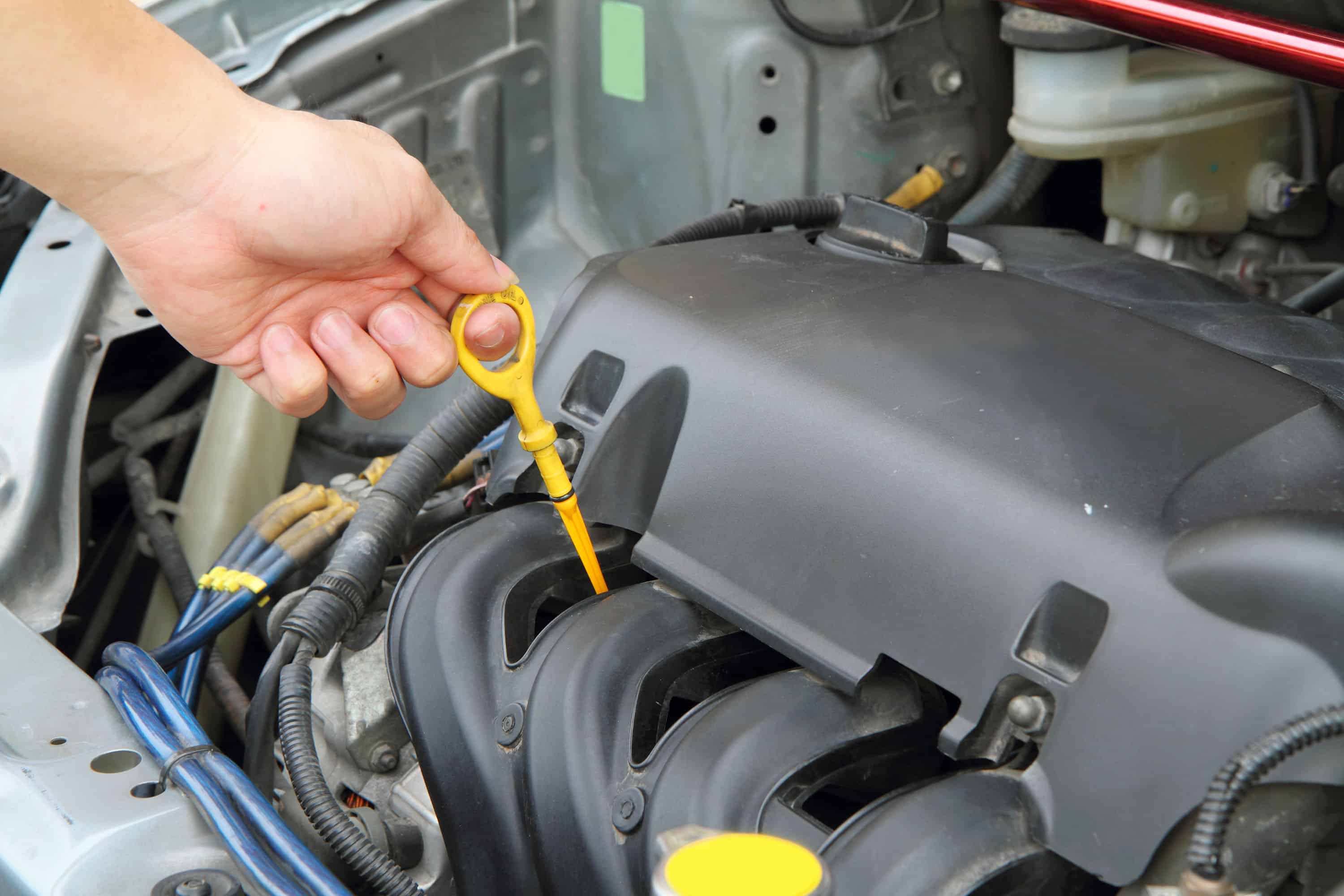
An internal combustion engine creates a large amount
of heat. Much of the heat goes out of the car through the exhaust
system, but a great deal is still absorbed by the engine. Your
engine runs best when it is warm, but if things get too hot, the
pistons can weld themselves to the cylinders and that's the end
of the engine. The cooling system is responsible for allowing the
car to warm up to the correct working temperature and for maintaining
that temperature.
Radiator Cap
The radiator cap has two functions. First, it is
a "lid" for your radiator. Second (and more important), it is designed
to hold the coolant inside the cooling system at a pre-determined
amount of pressure. Liquids under pressure take a longer time to
reach their boiling points. If the radiator cap did not keep the
liquid coolant under pressure, all of the coolant would boil away,
leaving your cooling system dry and your engine un-protected from
the heat.
Radiator
The radiator is designed to dissipate the heat that
the coolant has absorbed from the engine. Radiators are filled
with tubes that the coolant passes through. Airflow from outside
of the car and the fan carries heat off of the radiator. The coolant
enters the receiving tank at the top of the radiator, passes through
the tubes inside, losing the heat it has collected, then collects
in the dispensing tank at the bottom for the water pump to circulate
it back through the cooling system.
Fan
The coolant goes into the radiator to dissipate the heat that
it collected in the engine. The heat is drawn off by air passing
through the radiator. If the car is not moving fast enough to push
air through the radiator, the fan will come on and pull the air
through. The fan is usually mounted on the water pump shaft and
is powered by the same belt that runs the water pump. Running the
fan takes power from the engine, so it's only turned on when it
is needed. The fan is controlled by a thermostat switch that tells
it when the temperature has risen to a point where the fan is needed.
Water Pump
The water pump forces coolant to circulate through the engine
block.
Upper Hose
Coolant flows from the engine block back to the radiator through
the upper radiator hose. This hose is blocked by the thermostat
valve unless the temperature is high enough to allow the valve
to move and let coolant through. Hoses are made from flexible rubber
with either spiral wire embedded in them or fabric reinforcement.
Hoses vary in size according to engine specifications. There are
three types of hoses used in most vehicles: Straight, pre-bent,
and accordion.
Thermostat
The job of the cooling system is to allow the engine to warm
up to its optimum working temperature (between 180 and 200 degrees
F) and then maintain that temperature. The thermostat regulates
the temperature of the engine. It sits between the engine and the
radiator and has a temperature sensitive valve that prevents coolant
from entering the radiator when the temperature is too low. The
valve recycles warm coolant through the engine block until it
reaches the right temperature. At that point, the valve opens and
the coolant enters the radiator to begin dissipating un-needed
heat.
Coolant
The coolant in a car must be able to hold the heat from the
engine then release it in the tubes of the radiator. Water is excellent
for holding heat, but it freezes to readily to be an effective
winter coolant in most places. The addition of antifreeze to the
water significantly lowers the freezing temperature of the coolant.
It also raises the boiling point, reducing the risk of boiling
the coolant out of the system. The main ingredient in most standard
antifreezes is ethylene (EG), most also add ingredients to prevent
rust and corrosion in the cooling system.
Heater Core
The heater core is a mini-radiator that keeps your car warm
when it's cold outside. The heater core is mounted under the dash
of the car. It works on the same principle as the radiator (coolant
flows through tubes inside it and releases heat into the air being
forced by the tubes) but the heater fan blows the heat into the
car instead of out of it. The heater core draws heat off the engine,
so if your car is running a little hot, turning the heat on can
help reduce heat in the engine until you can get to a mechanic.
Heater Fan
The heater fan blows air through the heater core into the cabin
of your vehicle. It is activated by the controls on the dash board.
Engine Block
The engine block and cylinder head are manufactured in one piece
with precast "Water Jackets", or passages for coolant. The water
pump sends the coolant into the water jackets where the coolant
absorbs the heat from the engine before returning to the radiator.
Lower Hose
The lower hose carries the coolant from the dispensing tank
to the water pump. Hoses are made from flexible rubber with either
spiral wire embedded in them or a fabric reinforcement. Hoses vary
in size according to engine specifications. There are three types
of hoses used in most vehicles: Straight, pre-bent, and accordion.