
November 21, 2025
8 Signs Your Alternator Is Going Bad
You might not think of your alternator very often, but it’s vital to keeping your vehicle running. A bad alternator often is one of the most common causes of dead car batteries, leaving motorists stranded yearly. Having some basic knowledge of how an alternator works, how long alternators last, and signs of alternator problems can help diagnose and prevent costly repairs.
Like any part of your car, the alternator is not meant to last forever. Often, it can fail with little warning. But there are a few subtle signs that your alternator is going bad. Understanding the symptoms of a failing alternator will help you know when to replace your alternator. Knowing what to watch out for can let you know when you should have your alternator checked out.
How the Alternator Works
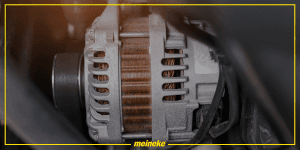
The alternator is mounted toward the front of the engine and is critical in providing power to the battery. It charges your car battery and powers the vehicle's computer systems, headlights, radio, and other accessories while you drive. It keeps the battery continuously charged and the car’s electrical and computer systems up and running.
How long does and alternator last? On average, the alternator lifespan is around seven years of 150,000 miles. Several factors can impact the lifespan of your alternator, including the quality of the part, the overall condition of the vehicle, and how many electronics are being used. If you’re noticing electrical issues and wondering how to tell if your alternator is bad, it’s time for an inspection.
8 Signs of a Failing Alternator
Alternator failure can seem sudden. Thankfully, a few common warning signs help you understand how to tell if you need a new alternator.
Some of these indicators include:
- Difficulty starting your car: When starting the engine, if you hear a clicking noise or it takes longer for the engine to catch, your alternator may be going bad.
- Frequent stalling or poor performance: If your battery isn’t being replenished or the spark plugs aren’t receiving consistent electrical input, your car will stall or be sluggish when picking up speed after stopping at a red light; the alternator might not be charging the battery properly. You may also notice that reaching your normal cruising speed takes longer than usual.
- Dimmer or brighter headlights: A failing alternator doesn’t supply a consistent current of electricity to your many vehicle components. Headlights that are dimmer or brighter than usual can indicate a problem. You may also see dimming or flashing in other lights, displays, and electronics.
- A burning electrical or rubber smell: Your alternator can overheat, and wires and belts can become worn or disconnected. These issues will eventually cause your alternator to fail.
- Dashboard warning lights turning on: If the battery warning light or other alternator warning lights appear, or you see flickering random lights, these are are all good indications to have your alternator inspected.
- A squealing or whining sound from your engine: Every engine has its particular quirks and sounds, but if your car is “growling” at you after starting up, you might be dealing with a failing alternator.
- Intermittent malfunctioning with your car’s electronics: If you notice your windows moving slowly up or down, malfunctions with your audio system, or other electronic frustrations, you are probably experiencing alternator problems. If you notice an isolated problem with a single electronic, ask your mechanic to check that part and the alternator for signs it is going bad.
- Having to jump or recharge your battery unexpectedly: Leaving your headlights or interior lights on can require a battery jump. But if you have to jump-start or charge your battery without an apparent cause, you may have a weak alternator. Be sure to consider the component’s age and the alternator’s health as possible causes.
If you notice any of these warning signs, it’s wise to get the vehicle inspected by your local Meineke technician. You will want to have the problem addressed right away. With a failing alternator, you risk your car stopping unexpectedly while driving or causing damage to other electrical components.
If you do need to replace the alternator, try to spring for a new one—not a remanufactured part.
7 Ways to Maintain Your Alternator
Along with watching out for any red flags, there are also some things you can do to preserve the integrity of your alternator to help keep it fully functional for as long as possible.
Some general alternator maintenance tips include:
- Jump-start correctly: Ensure you know how to jump-start the car; an improper jump can fry the alternator.
- Avoid overloading: Improperly installing aftermarket electronics can overwork your alternator, so be careful with any high-tech add-ons to the vehicle.
- Keep it clean: A build-up of dirt and grease on the alternator can cause it to overheat and become damaged. Dirt and corrosion on the battery and alternator connections can also cause them to work harder to meet the electrical demands of your vehicle.
- Inspect for leaks: Watch out for fluid leaks in the alternator; routinely inspecting the vehicle can keep you alert.
- Check the belts: Keep your belts in good condition. Worn or torn belts can interrupt the electrical flow or loosen the alternator mountings.
- Be careful during repairs: Be cautious when making repairs near the alternator. If you are replacing a nearby belt or other component, give the mounting hardware on your alternator a once over before you close the hood. Ensure nothing has come loose that will cause unnecessary jarring or vibrations when the car is in motion.
- Avoid electrical overloads: Consider aftermarket electronic installations carefully. Double-check that aftermarket parts match your alternator output capacity.
By following these tips, you can keep your alternator working for as long as possible, and let you know when to replace your alternator. However, even a good, well-cared-for alternator can have issues. It’s important to make routine auto maintenance a habit and have your trusted Meineke technician ensure the safety and performance of your vehicle.
What to Do Right Now if You Suspect Alternator Problems
If you’re dealing with alternator problems, stay calm and take immediate action to protect your vehicle. Avoid driving at night if possible, as your headlights may dim or fail without sufficient power. Turn off non-essential electronics such as heated seats, radios, and chargers to reduce the electrical load. Keep an eye on your dashboard for voltage drops or warning lights—if your car begins stalling or the lights flicker, pull over safely. It’s important to arrange for professional service right away, as driving long distances with a bad alternator can damage your car’s electrical systems.
When an alternator goes out while driving, your car will start losing power, the lights will dim, and the engine may stall completely within minutes. Always contact your local Meineke center for a quick alternator inspection if you notice any warning signs.
Concerned About Your Alternator? Let Meineke Help!
Meineke is a full-service automotive center ready to help you with alternator repair or replacement. Our ASE-certified technicians can diagnose alternator issues, perform a charging system test, and recommend whether you need alternator service or battery replacement. Visit a location near you for an alternator inspection and service.
Frequently Asked Questions
Explore these commonly asked questions to get answers about your alternator.
How Do I Know If I Have a Faulty Alternator or Battery?
First, consider the age and condition of both parts. Is your battery beyond its expected lifespan? Does your car stay running after you get it started but often needs a jump for the initial startup? It’s likely the battery.
If your car starts and stalls out soon after or while driving, look at your alternator with a critical eye first, it’s likely an alternator issue. A charging system test at Meineke can confirm which one is at fault. You can always turn to your local Meineke mechanic for an expert inspection and honest answers.
Can You Drive a Car with a Bad Alternator?
No. It’s risky to drive a car with a bad alternator. It can leave you stranded in inconvenient circumstances. Driving with a bad alternator risks complete vehicle shutdown. Continuing to drive can also damage additional electrical parts of your vehicle if you fail to replace the alternator as soon as possible.
Does a Bad Alternator Drain Your Battery?
Yes, a faulty alternator can cause parasitic battery drain, stealing power from your battery even when your car is off.
Can a New Alternator Be Bad?
Although rare, yes. Manufacturing defects or improper installation can cause a new alternator to fail prematurely. Always have your replacement installed by a trusted technician.
Related Posts
10/27/2017
What Does the Check Engine Light Mean?
The check engine light is a mysterious thing: Most vehicle owners are aware that it exists, and that seeing it turn yellow is never a good sign. And yet, many drivers are unsure of exactly what an engine warning might entail, or what the protocol is when they see it come on. The engine […]

12/19/2025
Signs Your Car Needs a Tune Up: A Complete Checklist
A car tune up can certainly be an ambiguous request or service, as it can mean different things for different people. Some car owners refer to an auto tune up as merely a regular check-up, to make sure that their car is in good shape and everything is working correctly. Others may refer to an […]

7/5/2017
Maintenance and Tire Care Tips to Follow
It’s important to take care of your vehicle—and it’s especially important to take care of your tires. A simple investment in tire maintenance can yield some significant benefits—among them: If you take care of your tires, you won’t have to replace them as often, which can lead to some big cost savings over […]