
October 31, 2025
Multi-Point Vehicle Inspections: What’s Included and Why They Save You Money
Car ownership comes with responsibilities that go beyond filling the gas tank and scheduling an oil change. Every vehicle has dozens of interconnected systems, and when one of them fails, the others are often affected. What many drivers don’t realize is that most expensive repairs start as minor problems, ones that could have been spotted early during a routine check. That is where a multi-point vehicle inspection becomes invaluable.
By giving your car a complete review with a certified technician, you gain a clear understanding of its current condition, which components are beginning to show wear, and what preventative car maintenance steps you should take. This kind of vehicle inspection service not only keeps you safer on the road but also protects your budget by helping you avoid costly repairs. For drivers preparing for seasonal changes, long trips, or simply trying to keep their vehicle reliable, the inspection is an essential tool.
What Is a Multi-Point Vehicle Inspection?
A multi-point vehicle inspection is a comprehensive check of your car’s essential systems. It goes beyond a quick look under the hood; it systematically evaluates performance, safety, and wear on your vehicle. Think of it as an inspection checklist designed to make sure no critical part of your vehicle is overlooked.
During the process, certified technicians carefully review each major system, documenting conditions and providing a report that helps you prioritize any necessary service. Unlike random spot checks, this inspection is structured to give you confidence that your car is road-ready.
Meineke inspections are often included with services such as oil changes, seasonal preparation, or brake appointments, but you can also request one on its own. They usually take a short amount of time and can be completed during a standard service visit. The payoff is that you leave with actionable information about your car’s health and a plan for maintaining it.
What’s Included: The Full Checklist
When drivers ask, “What’s included in a car inspection?” the answer depends on the provider. Meineke uses a standardized car inspection checklist that ensures technicians review every key system. This consistency is part of what makes a Meineke inspection so valuable; customers know exactly what is being checked each time.
- Tire and Wheels: The checklist begins a technician checking tire pressure, tread depth, and any visible signs of damage. Uneven wear can indicate issues with suspension or alignment, making tire checks one of the best ways to spot developing problems and prevent flats and blowouts.
- Brakes: Brake pads, rotors, calipers, and brake fluid levels are inspected next. Since brake performance degrades slowly, these checks can reveal issues long before you notice longer stopping distances or squealing sounds.
- Fluids: Another critical category is your car fluids. During a vehicle inspection service, oil, coolant, transmission fluid, brake fluid, and washer fluid are all reviewed. Low or dirty fluids often cause unnecessary engine strain, overheating, or reduced braking ability.
- Battery: The car battery is examined for charge level, corrosion, and cable condition. A weak battery might still start your car today, but could leave you stranded tomorrow.
- Belts and Hoses: Technicians then inspect belts and hoses, looking for cracks, leaks, or fraying. These small components can fail suddenly, and when they do, they often disable power steering, cooling systems, or other vital functions.
- Lights: From headlights to turn signals, visibility and signaling are crucial for safety. Properly functioning lights ensure that you can see the road clearly and that other drivers are aware of your movements.
- Wipers: Worn wipers can compromise visibility in heavy rain or snow. Replacing windshield wipers regularly helps maintain a clear windshield and safer driving conditions.
- Suspension and Steering: The suspension and steering system is evaluated for wear in shocks, struts, bushings, and tie rods. Problems here may not be evident on a day-to-day basis, but they can lead to poor handling and unsafe driving conditions.
- Filters: Both the engine air filter and the cabin air filter are examined. A clogged filter reduces efficiency and performance, while a dirty cabin filter affects air quality for passengers.
- Exhaust Systems and Underbody: Finally, the underbody and exhaust system are inspected for rust, leaks, and damage. Exhaust issues can pose safety risks, and underbody rust often signals long-term structural concerns.
This thorough multi-point vehicle inspection checklist covers all the components most likely to impact performance, safety, and long-term value.
Why It Pays Off: Preventing Big Repairs
Drivers sometimes hesitate to request inspections, assuming they only add time to a visit. The reality is that inspections save time and money by preventing breakdowns and spotting issues before they spiral. Preventative car maintenance is always less expensive than major repairs.
Consider a cracked belt. If caught early, it is inexpensive to replace. If ignored, that same belt can snap, leading to overheating, power steering loss, or even engine failure. Low coolant, when topped off during an inspection, prevents thousands of dollars of damage caused by overheating. A corroded battery terminal, cleaned in minutes, can prevent a no-start situation in a parking lot.
A vehicle inspection service also extends the life of your car. By keeping fluids fresh, belts strong, and filters clean, your vehicle operates efficiently for longer. If you plan to sell or trade in your car, having documentation of regular Meineke inspections and a consistent car inspection checklist can improve resale value and reassure buyers.
Neglecting these checks leads to hidden wear, unexpected failures, and the kinds of repairs that wreck a budget. For everyday drivers and fleet managers alike, skipping inspections is an unnecessary risk.
How to Read and Use Your Inspection Report
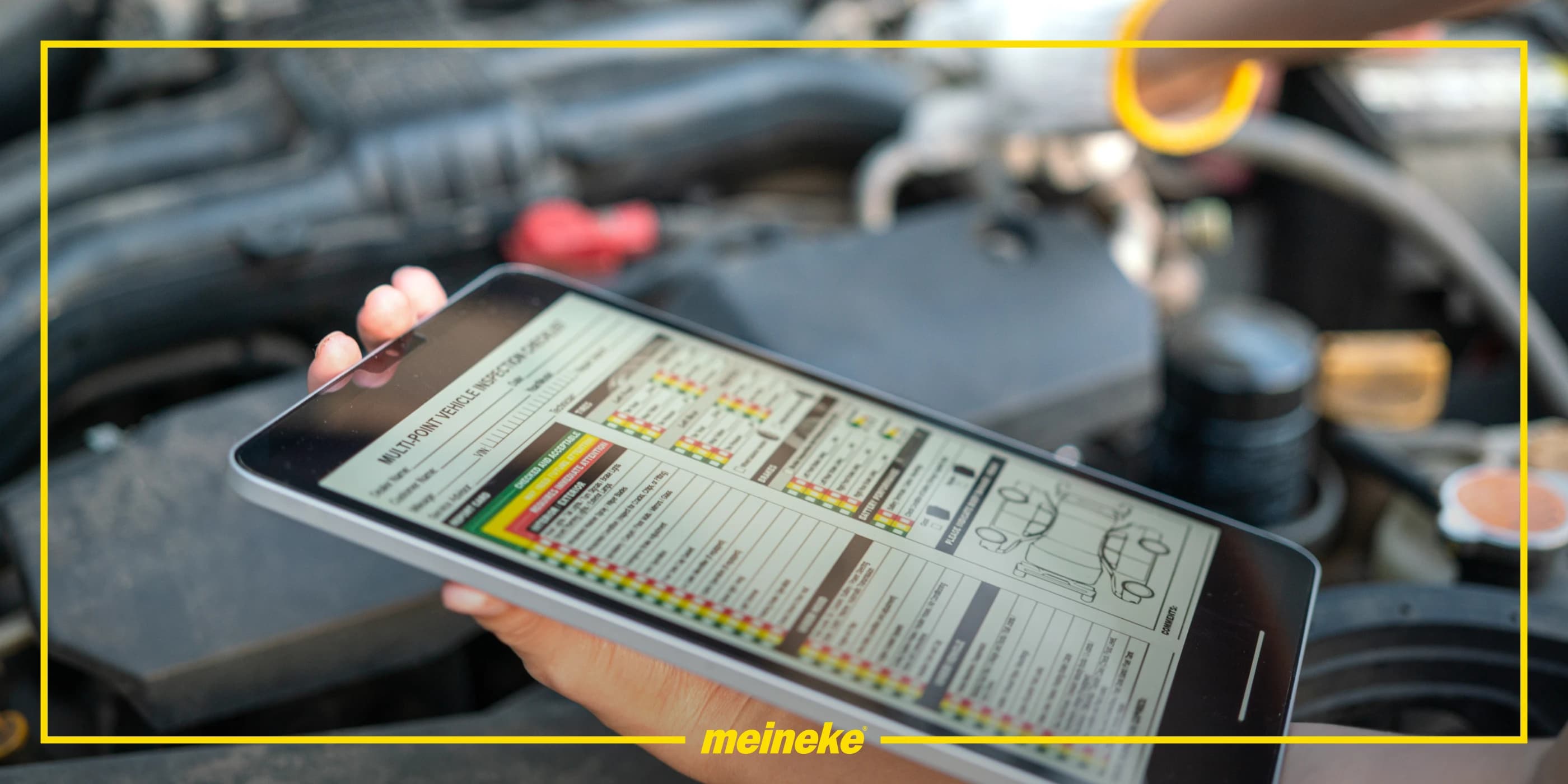
The value of a Meineke inspection isn’t just in the work done by the technician. It’s also in the inspection report you receive at the end. Rather than giving you a vague summary, Meineke uses a clear, color-coded system to communicate results. Green means the part or fluid is in good condition. Yellow indicates something to watch, such as brake pads approaching the end of their lifespan. Red means urgent attention is needed. This format lets drivers quickly understand what’s safe, what can wait, and what should be handled immediately.
With this report, you can make smarter maintenance decisions. Instead of facing surprise expenses, you can schedule services over time. For example, you might replace tires at your next oil change while planning to budget for brake work later in the season. Fleet owners can use these reports to track the condition of multiple vehicles, ensuring none of them are neglected. The report also serves as a maintenance record, useful when making warranty claims or proving a car’s condition to future buyers.
When to Get a Multi-Point Inspection
Technicians recommend a multi-point vehicle inspection with every oil change, or at least every six months. That rhythm ensures that problems are spotted regularly and your car receives consistent preventative car maintenance.
There are also specific times when scheduling an inspection is especially wise. Before a long road trip, an inspection gives you peace of mind that your vehicle is ready for the miles ahead. Seasonal changes are another good time, especially before winter, when weak batteries, worn tires, or bad wipers can become dangerous.
Buying a used car is another scenario where a vehicle inspection service is essential. Even if the car appears fine, an inspection verifies its condition. Similarly, before selling, an inspection provides proof of care that can help you negotiate a better price.
Anytime you feel uncertain about your car’s reliability, requesting a Meineke inspection is the safest step. With how quickly it can be completed, there is little reason to delay.
Book Your Inspection Today
A multi-point vehicle inspection is one of the simplest, smartest investments you can make in your car. By following a complete car inspection checklist, Meineke technicians identify problems early, saving you time, stress, and money. From brakes and tires to fluids and filters, these inspections cover the parts that matter most for safety and performance.
Instead of waiting until a breakdown forces you into costly repairs, make early car maintenance a regular habit. Whether you are preparing for a trip, adjusting to a new season, or simply staying on schedule, an inspection gives you confidence that your vehicle is road-ready.
Meineke makes it easy with fast, professional vehicle inspection service designed around your needs. Don’t let hidden issues catch you off guard, schedule your multi-point vehicle inspection with Meineke today.