
December 5, 2025
How Many Oxygen Sensors Are in a Car?
The oxygen sensor is a car part that you probably never think much about. In fact, you may be unsure of what it even does, yet it is essential for your vehicle to function normally or perform optimally.
An oxygen sensor, which is sometimes abbreviated as an O2 Sensor, generates a reading based on the oxygen level within the automotive exhaust system. Each O2 sensor in a car is made of ceramics and includes a number of pores, which are electrodes coated in platinum and surrounded by a threaded casing. The sensor is effectively screwed into the exhaust pipe with half of it sticking out. Most sensors undergo a heat test, which ensures they can reach their optimal operating temperature promptly.
How Many Oxygen Sensors Does A Car Have?
So, how many oxygen sensors are on a car? In short, it varies from one vehicle to the next. The reason for this is pretty simple. All new vehicles sold in the United States are required to have catalytic converters in each exhaust pipe. These catalytic converters take harmful gasses and turn them into less harmful gasses. Every catalytic converter is required to have a couple of oxygen sensors.
So if you have a single exhaust system, you probably have one catalytic converter and, thus, two O2 sensors (one before, one after). Cars with double exhaust pipes, meanwhile, will be fitted with a total of four oxygen sensors.
Where Are O2 Sensors Located?
Where are O2 sensors located in a car? Typically, oxygen sensors are placed in the exhaust pipe—one upstream (before the catalytic converter) and one downstream (after the catalytic converter). The upstream sensor measures how much oxygen is leaving the combustion chamber, while the downstream sensor checks the exhaust gases exiting the converter. The dual oxygen sensors within an exhaust pipe can detect the cleanliness of the exhaust before it enters the catalytic converter, and then compare it to the cleanliness of the exhaust as it leaves.
The sensors help ensure the optimal performance of your vehicle. Your vehicle’s engine control unit (ECU), which is essentially its computer, uses this information to function properly. A potential problem is that unburned hydrocarbons passing through the ECU can ultimately burn out the oxygen sensors and the catalytic converters. This can lead to potentially costly repairs.
Signs of a Failing O2 Sensor
Like most car parts, O2 sensors can fail after years of use. Recognizing the early signs of a bad oxygen sensor helps you avoid performance and emissions problems.
Common failing O2 sensor symptoms include:
- Check Engine Light illuminated
- Poor fuel economy or reduced gas mileage
- Rough engine idle or misfiring
- Failed emissions test
- Sluggish acceleration or reduced power
While your car may still run with a bad sensor, it can cause long-term damage to your catalytic converter and other components. If you notice any of these signs, schedule a diagnostic check at your local Meineke to determine whether an O2 sensor replacement is needed.
How Do You Care for Your Oxygen Sensors?
The good news is O2 sensor maintenance is straightforward. There are actions you can take to extend the lifespan of your oxygen sensors. The first step is to steer clear of discount, low-quality gasoline. Also, make sure to check your owner’s manual and see what the manufacturer recommends in terms of fuel octane and avoid using any fuel with a lower octane level. Avoid oil leaks and coolant contamination, which can coat and damage sensor surfaces.
Finally, make sure you’re having your vehicle serviced regularly, especially paying attention to air filters and spark plugs. Replacing these parts is much easier and more affordable than replacing your oxygen sensors or your catalytic converter!
By taking your vehicle in for routine maintenance, you’ll hopefully never have to worry too much about your oxygen sensors.
How Long Do O2 Sensors Last?
So, how long do O2 sensors last? On average, oxygen sensors last between 60,000 and 100,000 miles, though lifespan varies depending on driving conditions, fuel quality, and engine health.
Short trips that prevent the exhaust from fully heating up, burning oil, or using poor-quality gas can shorten your O2 sensor lifespan. Most manufacturers recommend having the sensors inspected around the 60,000-mile mark and replaced if they show signs of wear or sluggish response.
If you’re experiencing poor fuel economy, rough idling, or a persistent check engine light, it might be time for a new oxygen sensor.
Keep Your Engine Healthy with Meineke
Whether you’re wondering how many O2 sensors are on your car, need to replace a bad oxygen sensor, or want a full emissions inspection, Meineke technicians are here to help. Visit your nearest Meineke Car Care Center for professional diagnostics, O2 sensor replacement, and complete exhaust system service.
Related Posts
6/9/2017
What Does An Oxygen Sensor Do?
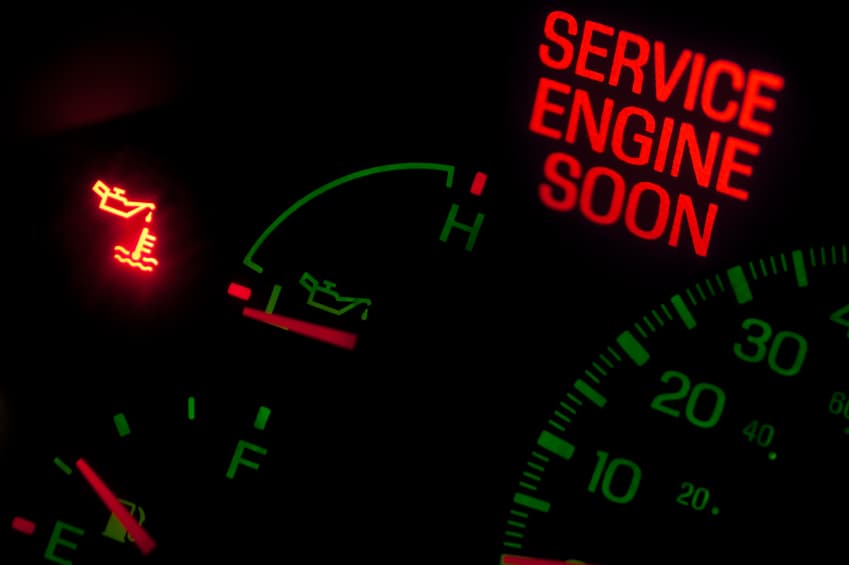
As a vehicle owner, the last thing you want to see is the bright orange “Check Engine” light burning. This alert is almost always the result of a tripped oxygen, aka O2, sensor. Another warning sign could be the message on your car’s computer that there is a heater circuit malfunction. When you see […]
5/31/2017
What Does it Mean When the Engine Light Comes On?
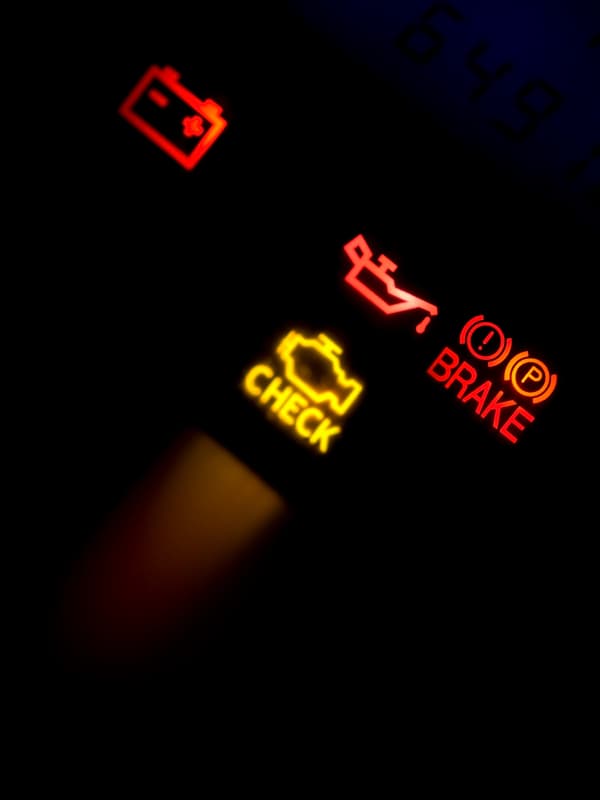
No motorist likes to look down and see the check engine light come on. While the light could point to any number of issues, minor or major, it’s usually not good news. Here is some good news: If you take your vehicle in for service fairly promptly, you can usually minimize the damage done […]
3/29/2017
What Does a Cold Air Intake Do? Your Complete Guide
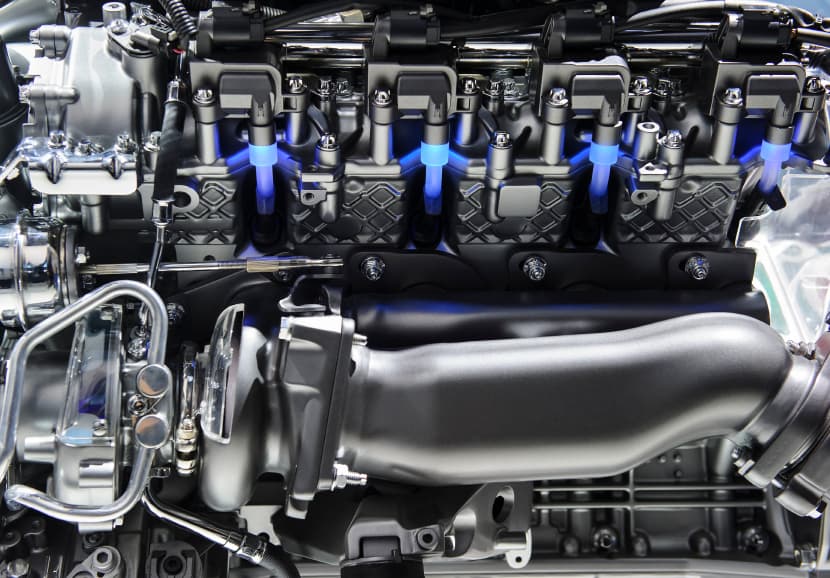
Are you looking to soup up your car, make it more powerful, or simply help it run more efficiently? There are plenty of aftermarket products you can buy that will help you make the desired modifications to your vehicle. One that is particularly worth knowing about is the cold air intake. The cold air […]