
November 6, 2026
How Much Does it Cost to Patch a Tire?
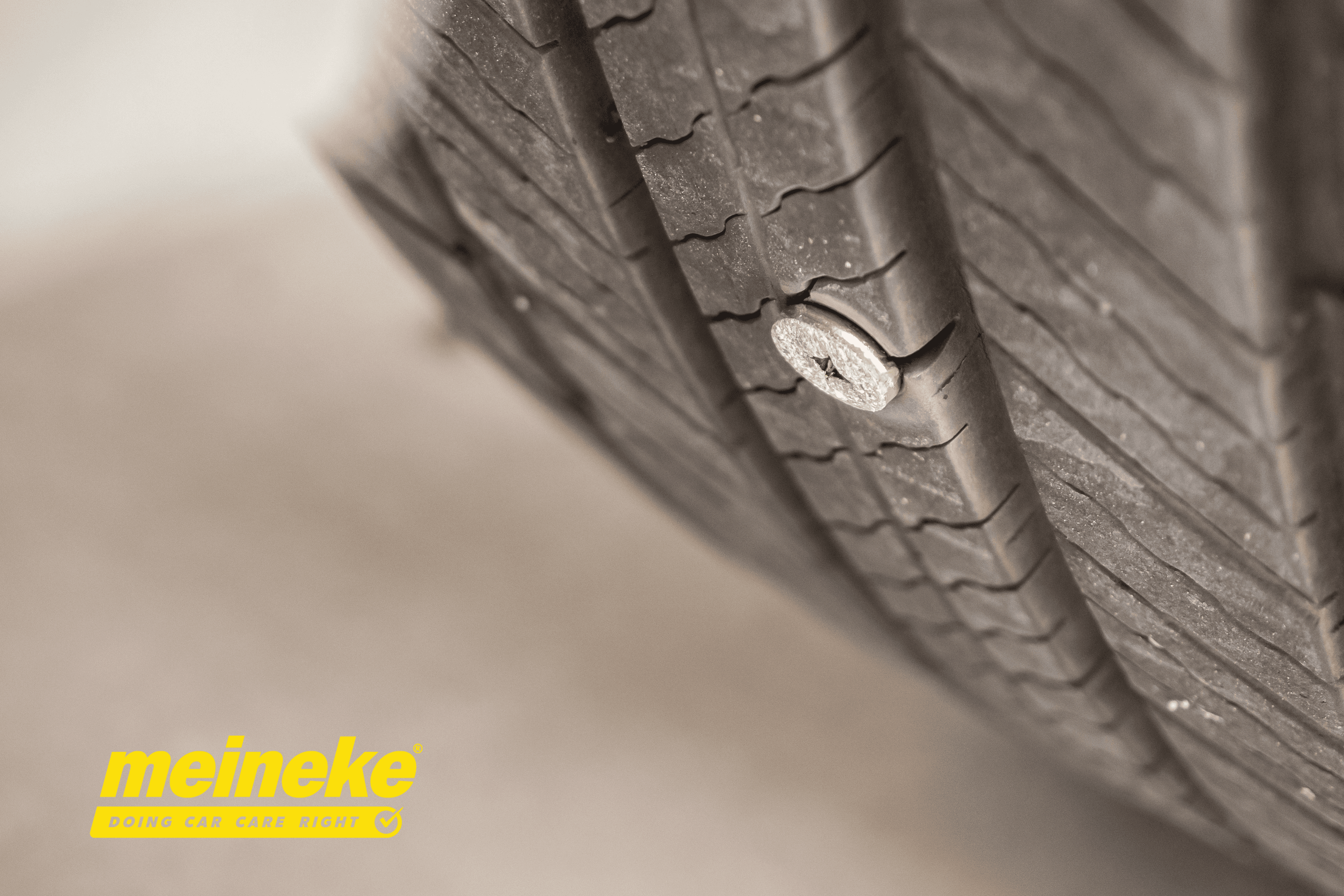
Finding a nail in your tire is frustrating, but it does not always mean buying a new one. Many punctures can be repaired for a fraction of the price of a replacement tire. The cost depends on where the damage is, how large it is, the type of tire you have, and the repair method the shop uses.
Here is what to expect when you bring in a flat, and how to tell whether a patch is an option for your tire.
What Is the Average Cost to Patch a Tire?
A professional tire repair typically costs between $20 and $50 per tire. Some shops charge a little less for a basic repair, and prices can run higher for specialty tires or in areas with higher labor rates.
That price generally covers:
- Removing the tire from the wheel
- Inspecting the tire inside and out
- Repairing the puncture with a combination patch and plug
- Remounting and inflating the tire
- Rebalancing the wheel
Prices vary by location and vehicle, so ask for a quote before the work begins and confirm what is included. Balancing, a new valve stem, or a tire pressure sensor service kit may be listed separately.
| Service | Typical Cost |
|---|---|
| DIY plug kit | $10 to $30 |
| Professional patch-plug-repair | $20 to $50 |
| Repair on run-flat, low-profile, or large truck tires | $40 to $80 or more |
| New passenger tire, installed | $100 to $300 or more |
What Affects Flat Tire Repair Cost?
Several factors determine what you will pay, and in some cases whether the tire can be repaired at all.
Location of the Puncture
The position of the puncture matters more than anything else. Damage in the center of the tread can usually be repaired at the standard price. Damage in the sidewall or the shoulder, where the tread curves into the sidewall, cannot be safely repaired. In those cases, the cost becomes the price of a replacement tire.
Size of the Damage
Industry guidelines limit repairs to punctures no larger than 1/4 inch in diameter. A typical nail or screw hole falls within that limit and is a routine repair. Larger holes, long cuts, and jagged tears are beyond what a patch can safely cover.
Tire Type
Some tires take more time and care to service, which can raise the price:
- Run-flat tires have stiff, reinforced sidewalls that make them harder to remove and remount. Some manufacturers also restrict or prohibit repairs on run-flats, especially if the tire was driven with no air pressure.
- Low-profile and performance tires require extra care to avoid damaging the wheel during service.
- Large truck and off-road tires are heavier and take more labor to handle.
- Tires with foam liners or built-in sealant, common on some EVs and luxury vehicles, need additional steps before the repair can be made.
Internal Tire Damage
A puncture that looks minor from the outside can hide bigger problems. If the tire was driven on while flat or very low, the sidewalls may have broken down internally. A technician can only find this by removing the tire and looking inside. When internal damage is present, the tire cannot be repaired, no matter how small the original hole was.
This is one reason to stop driving as soon as you notice a flat. A few extra miles can turn an inexpensive repair into a replacement.
Tire Patch vs. Tire Plug Cost
The terms patch and plug are often used interchangeably, but they describe different repairs at different price points.
| Repair type | Typical cost | How it works | Considered permanent? |
|---|---|---|---|
| Plug only | $10 to $30 | A rubber cord is pushed into the hole from outside. The tire stays on the wheel. | No |
| Patch only | $20 to $40 | A patch is bonded to the inner liner. The puncture channel is left unfilled. | No |
| Patch-plug combination | $20 to $50 | A one-piece unit fills the puncture channel and seals the inner liner from inside. | Yes |
A plug by itself is the cheapest option because the tire never comes off the wheel. That is also its weakness. The inside of the tire is never inspected, and the inner liner is not sealed. A patch by itself seals the liner but leaves the hole open to moisture, which can corrode the steel belts over time.
Tire industry standards call for a combination repair that does both. The price difference between a plug and a proper patch-plug repair is usually small, and the combination repair is designed to last for the remaining life of the tire.
Tire Repair vs. Replacement Cost
When a repair is possible, it is almost always the more economical choice. A new passenger tire typically costs $100 to $300 or more once mounting, balancing, and disposal fees are included. Tires for trucks, performance cars, and EVs can cost considerably more.
Replacement can also involve more than one tire. If your remaining tires are partly worn, a single new tire may not match them closely enough. This is especially true on all-wheel-drive vehicles, where many manufacturers require all four tires to be close in tread depth. In that situation, you may need to replace tires in pairs or as a full set.
Still, cost should not be the deciding factor when safety is in question. If a tire does not meet the criteria for repair, replacing it is the right call. And if a repairable tire is already near the end of its tread life, putting the repair money toward a new tire may be the better value.
When Can a Tire Be Patched?
A tire is generally a good candidate for repair when all of the following are true:
- The puncture is in the tread area, away from the shoulder and sidewall
- The puncture is 1/4 inch in diameter or smaller
- The tire was not driven on for any significant distance while flat
- There is no internal damage, bulging, or separation
- The tread depth is above 2/32 of an inch
- Any previous repairs are properly done and do not overlap the new one
- The tire shows no cracking or other signs of age
The only way to confirm these points is to have the tire removed from the wheel and inspected by a technician.
When Can a Tire Not Be Repaired?
A tire should be replaced if any of these conditions apply:
- The damage is in the sidewall or shoulder
- The puncture is larger than 1/4 inch
- The damage is a cut, gash, or tear
- The tire has a bulge or bubble
- The tire was driven on while flat and shows internal damage
- The tread is worn to 2/32 of an inch or less
- A new puncture overlaps or sits too close to an earlier repair
- The rubber is cracked, dry-rotted, or past the age limit recommended by the manufacturer
- The tire manufacturer does not permit repairs on that tire
Does a Tire Warranty Cover Puncture Repair?
It depends on the type of coverage you have.
- Manufacturer's limited warranty. These warranties cover defects in materials and workmanship, and many include a treadwear mileage warranty. They typically do not cover punctures, cuts, or impact damage from road hazards.
- Road hazard protection. This is separate coverage that may come with your tires or be offered at the time of purchase. It is designed for exactly this situation and often covers the repair, or a prorated replacement if the tire cannot be fixed. Terms vary, so check the mileage, time limits, and tread depth requirements.
- Retailer programs. Some tire sellers offer free or discounted flat repairs on tires purchased from them.
- Roadside assistance and insurance. Roadside plans usually cover a spare tire installation or a tow, but not the repair itself.
One more point to keep in mind: an improper repair, such as a plug installed without removing the tire, can void a tire manufacturer's warranty. Keep your purchase paperwork in the glove box so you can check your coverage when you need it.
Schedule Flat Tire Repair
If you are dealing with a flat or a tire that keeps losing air, do not put it off. Driving on a low tire can cause damage that rules out a simple repair.
Stop by your local Meineke to have it looked at. Our technicians will inspect the tire, explain whether it can be safely repaired, and review your options if it needs to be replaced. Find a Meineke near you to schedule your flat tire repair today.
Frequently Asked Questions
Is it worth patching a tire?
In most cases, yes. If the puncture is small, located in the tread, and the tire has plenty of tread life left, a proper repair costs far less than a new tire and is designed to last for the rest of the tire's life. If the tire is already close to worn out, replacement may be the better value.
How long does a tire patch last?
A correctly installed patch-plug repair is considered permanent and should last for the remaining life of the tire. A plug installed from the outside without removing the tire is a temporary fix and should be followed up with a proper repair.
How long does it take to patch a tire?
The repair itself usually takes 30 to 60 minutes. That includes removing the tire from the wheel, inspecting it, completing the repair, and rebalancing. Your total wait will depend on how busy the shop is.
Is it cheaper to plug or patch a tire?
A plug by itself is usually the cheapest option, and DIY kits cost less still. However, a plug alone is not considered a permanent repair. The combination patch-plug repair typically costs only a little more and is the method recommended by tire industry standards.
Can I patch a tire myself?
You can install a plug with a store-bought kit to get back on the road. A proper patch-plug repair requires removing the tire from the wheel, which calls for professional equipment. If you plug a tire yourself, have it inspected by a technician soon afterward.
How many times can a tire be patched?
There is no single number. A tire can often be repaired more than once, provided each puncture meets the repair criteria and the repairs do not overlap or sit too close together. Some tire manufacturers set their own limits, so a technician will evaluate each case.
Is it safe to drive on a patched tire?
Yes, when the repair is done properly. A tire that has been removed, inspected, and repaired with a patch-plug unit in the tread area is safe for normal driving. Some manufacturers no longer honor the original speed rating after a repair, so ask your technician if you drive a high-performance vehicle.
Related Posts

9/27/2023
What Is a Tire Rotation? A Handy Guide for Drivers
When it comes to vehicle tire maintenance, most people know they must keep the tires properly inflated and replace them when the treads become worn. However, another must-do that’s often overlooked is tire rotation. This maintenance service can significantly improve your car’s performance and your safety on the road. But what is tire rotation, […]
12/12/2025
6 Signs You Have a Bad Wheel Bearing
You already know your car cannot function safely without sturdy and properly fit wheels. A wheel is complex, and several components must be integrated for it to function safely—including the bearings. If you’re driving on the highway and a wheel breaks off, it’s because a wheel bearing failed. What are the signs of […]
7/5/2017
Maintenance and Tire Care Tips to Follow
It’s important to take care of your vehicle—and it’s especially important to take care of your tires. A simple investment in tire maintenance can yield some significant benefits—among them: If you take care of your tires, you won’t have to replace them as often, which can lead to some big cost savings over […]